
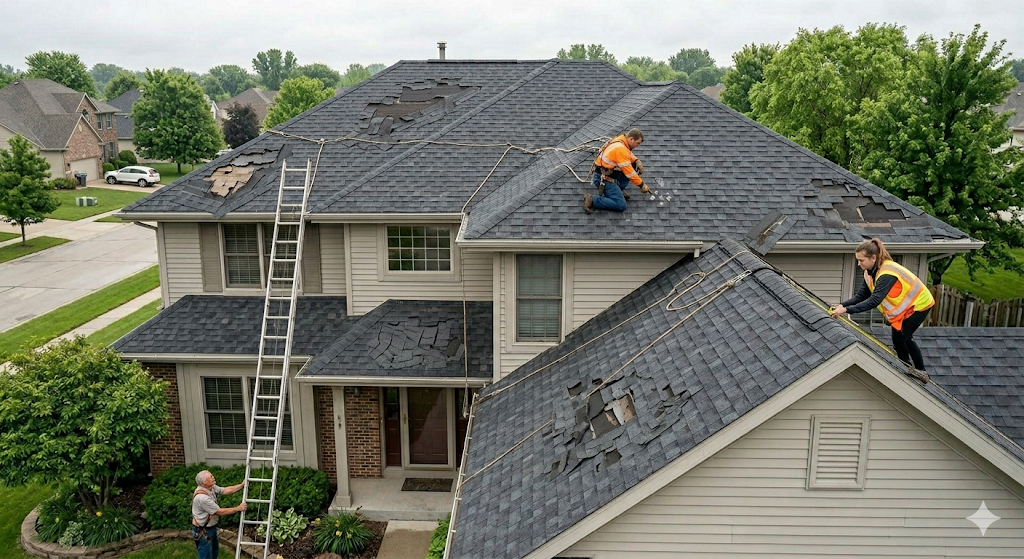
You spot a few curled shingles or a faint water stain on the ceiling after a North Texas storm. Your first instinct is to call someone tomorrow. Then you hesitate. Should you wait for better weather, or for a slower season and a better price? In Wichita Falls, the calendar matters almost as much as the crew you hire. Pick the wrong month, and your shingles may not seal, your project may stall, and a small problem can turn into a leak.
Asphalt shingles bond best when daytime temperatures sit between 45 and 85 degrees. Fall in Wichita Falls lands right in that range, with September through November highs cooling off from the summer extremes. The adhesive strip under each shingle needs warmth to set, and steady fall weather gives it time to seal before the first freeze. You also clear the April-through-June storm season, so crews are far less likely to push your date for rain. Fall really is the sweet spot for planned, non-emergency work.
Book Early to Beat the Fall Rush
The catch is demand. Fall is the busiest stretch for roofing contractors in Wichita Falls, so the calendar that favors your shingles also fills up fast. Schedule your inspection in late summer to lock in an early-fall slot rather than waiting weeks for an opening.
How Spring Storm Season Drives Your Repair Timeline
Wichita Falls sits in a hail-prone corridor about 15 miles south of Oklahoma. The peak severe weather window runs from April through June, when dryline boundaries and Gulf moisture collide over North Texas. That is when hail and high winds do the most damage, which is why spring is when most homeowners discover they need work.
The area sees frequent hail reports every year, and May is usually the wettest month. Spring temperatures are mild enough for shingles to seal, but rain delays are common, and crews often run behind after a major storm.
The smart move is to schedule an inspection right after a storm passes, even if the roof looks fine from the ground. Hail damage often hides in places you cannot see from the yard:
- Granule loss that exposes the asphalt underneath
- Soft spots where the shingle mat is bruised
- Cracked or lifted shingles around edges and vents
Timing Repairs Around an Insurance Claim
If hail or wind caused the damage, your timeline often depends on your insurance company, not just the forecast. Most policies have a filing window, so report the damage promptly, get a documented inspection, and keep dated photos.
Experienced roofing contractors in Wichita Falls who know the claims process can meet the adjuster on site, flag missed items, and keep your repair moving between visits and the next round of storms.
Why Summer Heat Works Against Shingle Installation
July highs in Wichita Falls average near 97 degrees, and that heat works against a clean install. Hot shingles soften, making them easy to scuff, tear, or mark with footprints. The heat also forces crews to take more breaks, which stretches the job, and sealant can set too quickly in extreme temperatures, weakening the bond. Early summer, before the worst of it, is workable. Mid to late summer is the stretch most pros would tell you to avoid for a full residential roofing job.
Can You Repair a Roof in Winter in Wichita Falls?
Yes, with limits. Winters here are milder in the northern plains, so many December and January days are warm enough for roof work. The problem is the occasional arctic cold snap. Once temperatures drop below 40 degrees, asphalt shingles turn brittle and crack more easily, and the sealant struggles to bond. In that cold, a good crew will hand-seal each shingle with roofing cement so it does not blow off before spring. Winter is also the cheapest season because demand falls off, so you may land a better price. One rule overrides all of this: if you have an active leak, do not wait.
The Bottom Line on Timing Your Roof Work
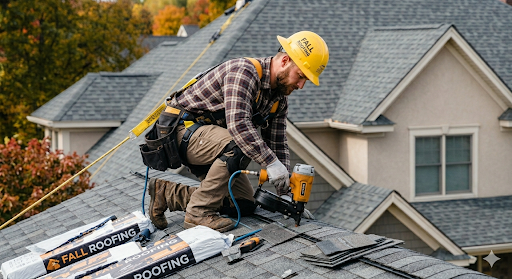
For planned work, early fall wins in Wichita Falls: mild temperatures, stable weather, and proper sealing. Spring is the season of necessity, driven by storm damage. Summer is fine in the early weeks and rough by July. Winter handles repairs as long as you dodge the cold snaps. The one constant is that storm damage and active leaks get handled now. Every week of delay lets water reach your decking, insulation, and ceilings, which turns a simple repair into a far bigger bill.
Not sure whether your roof needs a quick fix or a full replacement? Book a free inspection with The Roof Gurus. Our local team serves Wichita Falls year-round, knows exactly how each season affects your roof, and will give you an honest call on timing and cost. Call (940) 292 -3055 or request your free inspection online.
Frequently Asked Questions
What is the best month to replace a roof in Wichita Falls?
Early fall, roughly September through November, is ideal. Temperatures are within the range where asphalt shingles seal properly, and the weather is more stable than during the spring storm season.
How soon should I repair roof damage after a hailstorm?
As soon as possible. Schedule an inspection right after the storm, document everything with photos, and start your insurance claim. Waiting lets water reach the decking and interior
Can roofing be done in the summer heat in Wichita Falls?
Early summer works fine. By mid to late July, average highs near 97 degrees soften shingles and slow crews, so most professionals avoid full installations during the peak heat.
How long does a typical roof repair take?
Most minor repairs are completed in a day, and many full residential replacements finish within two to three days, depending on roof size and weather.